
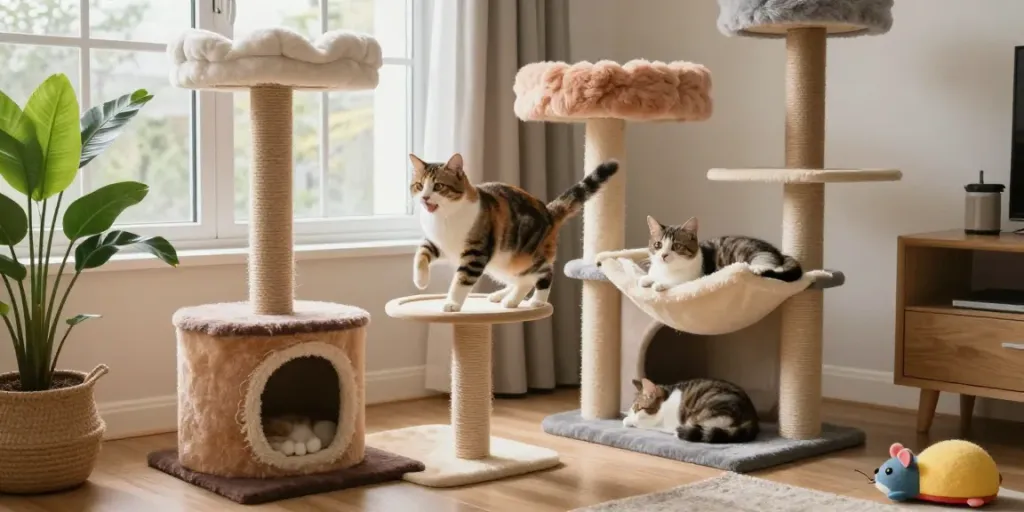
Understanding the Benefits of Cat Towers
Cat towers, commonly known as cat trees, are not merely a luxury for our feline friends; they are essential furniture that caters to their specific needs. As natural climbers, cats thrive in environments that allow them to engage in their instinctual behaviours. A well-designed cat tower provides opportunities for climbing, scratching, lounging, and hiding, significantly enhancing their quality of life. When exploring options, cat tower cat tree selections can offer comprehensive insights into what to look for.
Why Cats Love Cat Towers?
Cats are inherently curious and playful creatures. Cat towers cater to these instincts by providing vertical space that stimulates their natural behaviours. The various levels and hideaways in a cat tree encourage exploration and play, allowing cats to safely engage in their predatory instincts. Furthermore, cat towers serve as perfect vantage points for a cat to survey its territory, making them feel secure and in control.
Health Benefits of Cat Trees for Indoor Cats
Indoor cats often lack the physical stimulation that outdoor cats receive. A cat tree offers a solution to combat the sedentary lifestyle of indoor living. Regular use of a cat tower promotes physical activity, which is essential for maintaining a healthy weight and preventing obesity. Additionally, cat trees often include scratching posts that help sharpen claws and promote dental health by reducing plaque build-up.
Enhancing Your Cat's Environment with a Tower
Beyond physical benefits, a cat tower enhances the overall environment for your pet. Providing a space that feels like their territory can reduce stress and anxiety in cats. Many towers come with various textures and materials that can soothe cats, further enriching their living space. By incorporating a cat tree, you are also offering a designated area for your cat to retreat and relax, which is important for their mental well-being.
Choosing the Right Cat Tower Cat Tree
Selecting the perfect cat tree for your furry friend requires careful consideration of several factors. The right tower not only fits your cat's needs but also integrates well with your home decor. There are numerous styles, sizes, and types of cat trees available on the market, making it essential to perform due diligence before making a purchase.
Factors to Consider When Buying a Cat Tree
- Size and Height: Consider your cat's size and climbing habits. Larger cats may require more substantial support and space.
- Material Quality: Look for durable materials that can withstand scratching and jumping. Solid wood or reinforced structures are typically recommended.
- Design and Aesthetics: Choose a design that complements your home while providing a stimulating environment for your cat.
Types of Cat Towers: Which One is Best for Your Cat?
There are various types of cat trees to consider, based on your cat's personality and behaviours:
- Multi-Level Towers: Ideal for active cats, offering several platforms for climbing.
- Condo Style Trees: These provide enclosed spaces for shy or anxious cats, allowing them to feel secure.
- Wall-Mounted Trees: Perfect for small spaces, these designs allow cats to climb vertically without occupying floor space.
Material and Durability Considerations
The materials used in the construction of a cat tower play a vital role in its longevity and safety. High-quality woods such as plywood or solid wood ensure stability and durability. Additionally, scratching surfaces covered in sisal rope or carpet should be of good quality to withstand wear and tear. Make sure to inspect the structure for stability and the presence of any sharp edges that could potentially harm your pet.
Cat Tower Maintenance and Safety
Regular maintenance is crucial for ensuring your cat's safety and prolonging the life of the tower. Proper upkeep not only prevents accidents but also keeps the tower appealing to your cat.
Regular Maintenance Tips for Cat Towers
- Inspect Regularly: Check for loose parts, wear, and tear, and reinforce any wobbly sections.
- Clean the Surfaces: Vacuum the cat tree to remove hair and debris, and wipe down surfaces with pet-safe cleaner to maintain hygiene.
- Replace Worn Parts: Over time, scratching posts and platforms may become worn. Replacing these parts can extend the life of the cat tower.
Ensuring Safety for Your Cats on Towers
To keep your cats safe, selecting a tree with a broad base is essential to prevent tipping. Additionally, avoid towers that are too tall without sufficient support, as this can lead to falls. Always supervise your cats when they are playing on a new tower until you are confident in its safety.
Identifying Signs of Wear and Tear
Common signs that your cat tower may need replacement include significant wear on scratching surfaces, unstable platforms, or broken parts. Pay attention to how your cat interacts with the tower; if they avoid it, it may need inspection for safety concerns.
How to Encourage Your Cat to Use a Tower
Introducing a new cat tower can sometimes require a bit of training and encouragement. Your feline friend may be hesitant at first, but by using specific techniques, you can foster interest and use.
Training Techniques for Cat Tower Usage
To train your cat to use the tower, start by placing it in a familiar area where your cat feels comfortable. You can use treats or toys to encourage exploration, gradually moving them to different levels of the tower to spark curiosity.
Incorporating Toys and Treats
Adding toys and engaging activities can significantly enhance your cat's interest in the tower. Consider dangling toys from the overhead levels or placing treats within the enclosed spaces to entice your cat to explore. These simple additions can create a more stimulating environment.
Creating Positive Associations with the Cat Tree
Positive reinforcement is key to getting your cat to love their new tower. Reward your cat for any exploration or play on the tower with treats, petting, or praise. Once your cat associates the tower with positive experiences, they will be more inclined to use it regularly.
Future Trends in Cat Furniture for 2026
The pet furniture industry is constantly evolving, and as we look towards 2026, several trends are shaping the development of cat towers.
Innovative Designs in Cat Towers
Future cat towers are expected to integrate more innovative designs that not only appeal to cats but also fit seamlessly into modern home decor. Expect to see towers with more artistic aesthetic features that combine functionality with style.
Eco-Friendly Materials and Sustainability Trends
As sustainability becomes increasingly important in consumer choices, eco-friendly materials will dominate the cat furniture market. Look for towers made from recycled materials or sustainably sourced woods that offer durability without harming the environment.
Smart Cat Towers: The Integration of Technology
With advancements in technology, the future of cat towers may include smart features, such as built-in sensors that monitor your cat's activity or interactive elements that engage them while you’re not at home. This technology could enhance your understanding of your pet's behaviours and needs.
What Should You Look for in a Cat Tower?
As a potential buyer, focus on features such as the stability of the structure, the presence of varied levels for play, and materials that are durable and safe. Understanding your cat's specific needs will guide your choice, ensuring you select a tower that truly suits them.
How do I choose the best cat tower for my cat?
Consider your cat's size, age, and activity level when selecting a cat tower. A younger, more active cat may benefit from a multi-level design, while an older cat may prefer a lower, more accessible option.
What materials are best for cat tree construction?
Look for cat trees made from solid wood or engineered wood for durability. The scratching surfaces should be covered with sisal or good-quality carpet that can withstand wear and tear.
How can I train my cat to use a tower?
Introduce the tower gradually, using toys and treats to encourage exploration. Reward your cat's interaction with the tower to create positive associations.
What are the safety features to look for in a cat tower?
Seek out features such as a broad base for stability, rounded edges to prevent injuries, and sturdy materials that can support your cat’s weight without tipping over.
Are there any cat tower designs for large cats?
Yes, many manufacturers now offer cat towers specifically designed for larger breeds, featuring reinforced structures and wider platforms to accommodate their size and weight.